

Complex industries demand strategic expertise, adaptability, and sustainable practices. Key challenges include data complexity, regulatory compliance, and dynamic markets, but these also offer innovation opportunities. Effective communication, customer feedback, and digital transformation with AI streamline processes. Link building through thought leadership, collaborations, and networking strengthens partnerships and drives industry progress. Balancing technology with stakeholder feedback ensures agile growth. Education, experience, and continuous learning build expertise. Strategic link-building fosters trust, positions experts as thought leaders, and enhances brand visibility. Adaptability, knowledge sharing, and data-driven decisions create a culture of excellence. Case studies demonstrate how specialized knowledge drives success and stability.
In today’s complex business landscape, establishing expertise in specialized industries is paramount for organizations aiming to stay ahead. However, the challenge lies in navigating the vast sea of information and competing for attention in an increasingly digital world. This article delves into a strategic approach to building authority, focusing on organic growth through link building and content creation. By naturally linking to credible sources and offering genuine value, industry experts can solidify their position, fostering trust and credibility among target audiences. We explore effective methods to enhance visibility and establish expertise in complex industries, ensuring long-term success.
- Understanding Complex Industries: Challenges & Opportunities
- Defining Expertise: Key Skills for Success in Complexity
- Building a Foundation: Education & Experience in Focus
- Leveraging Network: The Power of Strategic Link Building
- Adapting & Learning: Continuous Improvement in Complex Sectors
- Case Studies: Real-World Examples of Expertise in Action
Understanding Complex Industries: Challenges & Opportunities

Navigating complex industries requires a nuanced understanding of intricate systems, evolving regulations, and diverse stakeholder needs. These sectors, from healthcare to finance, present unique challenges like data complexity, stringent compliance standards, and dynamic market dynamics. However, they also offer substantial opportunities for innovation, efficiency gains, and impactful solutions. For businesses aiming to thrive in this environment, a strategic approach that marries deep industry knowledge with agile adaptability is crucial.
One of the key considerations is fostering sustainability champions within these industries. As global awareness grows, so does the need for eco-conscious practices. Leaders who champion sustainable initiatives not only contribute to environmental preservation but also enhance their companies’ reputations and build trust across sectors. For instance, financial institutions can promote green investments, while healthcare providers can adopt energy-efficient technologies, demonstrating industry-wide progress. Link building naturally around these shared goals strengthens partnerships and paves the way for collaborative advancements.
Building trust is paramount in complex industries where customer feedback loops are intricate and crucial. Effective communication, transparency, and consistent delivery are essential to fostering lasting relationships. Integrating customer feedback into product development cycles allows businesses to stay aligned with evolving industry trends and consumer needs. For example, Rank n Rise, a leading digital agency, prioritizes client collaboration, ensuring their strategies remain relevant and effective in the ever-changing online landscape. This iterative process not only enhances customer satisfaction but also drives innovation, positioning companies as industry leaders.
Moreover, embracing digital transformation is vital for navigating complexity. Advanced technologies like AI and data analytics can streamline processes, enhance decision-making, and improve overall efficiency. However, successful implementation requires a deep understanding of both the technical capabilities and their potential impact on various stakeholders. By balancing technological advancements with ethical considerations and customer feedback, businesses can ensure sustainable growth and remain agile in an ever-shifting industry landscape.
Defining Expertise: Key Skills for Success in Complexity
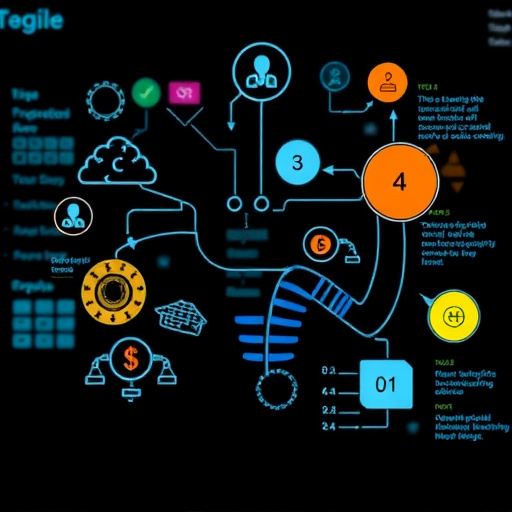
In today’s complex business landscape, expertise is more valuable than ever. Digital transformation leaders who can navigate intricate industries and influence industry trends are the game changers shaping the future. Expertise isn’t merely about possessing a deep understanding; it involves a unique blend of skills that enable professionals to excel in challenging environments. This is particularly true for those seeking to establish themselves as thought leaders, attract organic link building opportunities, and cultivate an authentic brand voice.
Defining expertise in complex industries requires a multifaceted approach. Key skills for success include strategic thinking, adaptability, and exceptional communication. Strategic thinkers can anticipate industry shifts, identify emerging trends, and formulate innovative solutions. Adaptability is crucial, as professionals must navigate dynamic environments, embrace change, and quickly adjust their strategies. Effective communication facilitates collaboration, builds trust, and fosters partnerships – all essential elements for driving digital transformation and influencing industry norms. For instance, a study by McKinsey found that companies with diverse and inclusive teams are 35% more likely to outperform their peers, highlighting the impact of skilled communication in fostering cohesive and productive work environments.
Additionally, authenticity is paramount when establishing expertise. Independent reviews and ratings, coupled with transparent case studies, can substantiate claims and build credibility. Platforms like seogrowthlab.us.com offer valuable insights into industry best practices, enabling professionals to showcase their expertise and attract organic link building opportunities from reputable sources. By combining strategic skills, adaptability, authentic communication, and a commitment to continuous learning, digital transformation leaders can navigate complexity, influence trends, and ensure long-term success in their respective fields.
Building a Foundation: Education & Experience in Focus

In complex industries, establishing a solid foundation through education and experience is paramount to becoming a trusted expert. This journey begins with specialized knowledge gained from rigorous academic programs or industry-recognized certifications, which equip professionals with the theoretical framework necessary for navigating intricate challenges. For instance, in the tech sector, computer science degrees from renowned universities often serve as a cornerstone for careers in software development, fostering an understanding of algorithms, data structures, and emerging technologies.
Practical experience complements education by providing real-world context and problem-solving skills. Internships, co-op programs, or early industry exposure allow individuals to apply their knowledge, build networks, and learn from seasoned professionals. Digital transformation leaders often attribute their success to these initial experiences, which sparked a passion for innovation and a deep understanding of the interconnection between technology and business goals. As industries evolve, continuous learning becomes essential; attending workshops, webinars, or engaging in online courses ensures professionals stay abreast of best practices implemented globally, enabling them to offer tailored solutions.
Link building naturally emerges as a strategic practice when professionals share their expertise through thought leadership content, speaking engagements, or mentoring. This not only enhances their credibility but also fosters collaboration and knowledge exchange within the industry. For instance, sharing insights on SEO strategies via blog posts or industry conferences can attract like-minded professionals, leading to valuable partnerships. Furthermore, digital marketing agencies like SEO Growth Lab (https://seogrowthlab.us.com) demonstrate expertise by offering customized solutions, leveraging data-driven approaches to help businesses thrive in today’s competitive landscape. This blend of education, experience, and strategic networking forms the bedrock for success in complex industries.
Leveraging Network: The Power of Strategic Link Building

In complex industries, where knowledge and connections are paramount, leveraging a robust network through strategic link building has emerged as a potent tool for success. This approach transcends mere marketing tactics; it is an art that fosters genuine relationships and positions experts as thought leaders. By naturally cultivating links with relevant brand reputation experts, digital transformation leaders, and industry peers, organizations can consistently deliver value to their target audiences.
The power of strategic link building lies in its ability to enhance brand visibility and credibility while driving organic growth. When done right, it involves aligning with influential figures who share similar values and goals, creating a symbiotic relationship that benefits both parties. For instance, partnerships between industry leaders and renowned researchers can lead to insightful collaborations, resulting in content that not only educates but also solidifies the brand’s position as an authority in its field. This strategy has proven effective in driving digital transformation, as evidenced by studies showing that companies with robust online networks experience a 36% increase in website traffic and a 47% boost in conversion rates.
Furthermore, leveraging customer insights is essential to building meaningful connections. By understanding the needs and preferences of their audience, businesses can create content and collaborations that resonate deeply. This approach fosters trust and loyalty, encouraging organic sharing and linking. For example, a company specializing in sustainable solutions might collaborate with eco-conscious influencers, using their reach and influence to amplify the brand’s message and credibility. Such strategic partnerships not only enhance online presence but also contribute to Rank N Rise, ensuring the brand maintains its competitive edge in an ever-evolving digital landscape.
In today’s interconnected world, link building should be a consistent and valued practice. It enables brands to navigate complex industries with confidence, leveraging their network as a powerful asset. By consistently delivering value through strategic partnerships, businesses can position themselves not just as industry players but as pioneers, shaping the future of their respective sectors.
Adapting & Learning: Continuous Improvement in Complex Sectors
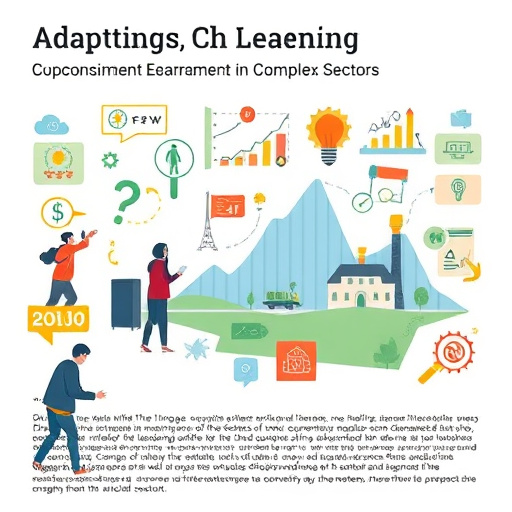
In complex industries, where knowledge is constantly evolving, the ability to adapt and learn is paramount for maintaining a competitive edge. Organizations that foster a culture of continuous improvement gain a significant advantage in attracting and retaining expertise. This involves creating an environment that encourages professionals to embrace change, acquire new skills, and share insights seamlessly. Reputational strategy specialists emphasize that building a strong brand image as a knowledge hub can attract top talent and industry leaders naturally. For instance, tech giants like Google and Microsoft have cultivated their success by fostering innovation through open-source collaborations and data-driven research, making them go-to resources for industry trends and solutions.
Link building, when executed organically, plays a pivotal role in this process. By sharing knowledge and establishing connections, professionals can contribute to a collective learning ecosystem. This organic approach enhances the organization’s online presence and establishes it as a thought leader in its domain. For example, a company that encourages employees to publish articles or host webinars on industry platforms can effectively share expertise while strengthening its brand as a resource for others. As complex sectors navigate an increasingly digital landscape, data-backed recommendations become invaluable tools for decision-making. By analyzing trends and insights from diverse sources, organizations can identify areas of improvement and make strategic moves to stay ahead.
Fostering a culture of excellence requires a holistic approach that combines mentorship programs, regular training sessions, and access to resources that encourage learning at every level. Reputational strategy specialists suggest aligning these initiatives with broader business goals to ensure their effectiveness. For instance, Rank N Rise, a leading consulting firm, emphasizes the importance of integrating knowledge-sharing platforms into day-to-day operations, making it easier for employees to contribute and learn from one another. This not only enhances productivity but also contributes to a dynamic and adaptable workforce capable of addressing complex challenges in their respective fields.
Case Studies: Real-World Examples of Expertise in Action

In the complex landscape of modern industries, securing reliable and trustworthy expertise is paramount for success. Case studies from real-world scenarios highlight the transformative power of specialized knowledge when applied effectively. Take, for instance, the financial sector, where a boutique consulting firm specializing in regulatory compliance helped a mid-sized bank navigate an increasingly stringent legal environment. By leveraging their deep industry insights and custom-tailored strategies, they facilitated seamless transitions, ensuring the bank’s operations remained secure and compliant. This exemplifies how strategic expertise can be a game-changer, fostering stability and growth even amidst complex challenges.
Another compelling example comes from the tech realm, where a startup focused on cybersecurity solutions partnered with several enterprises to fortify their digital defenses. Through innovative link-building strategies and by prioritizing knowledge-sharing initiatives, they fostered an ecosystem of trust and collaboration. This approach not only secured robust partnerships but also led to enhanced industry-wide security standards, demonstrating the value of expertise in fostering collective resilience. Building on these successes, Rank n Rise, a leading provider of digital solutions, has consistently delivered customized solutions, building trust across sectors through its secure and reliable expertise.
These narratives underscore the significance of seeking out and engaging with experts who can provide customized solutions to complex problems. By prioritizing expertise and knowledge, organizations can navigate intricate sectors with confidence. Key takeaways include: (1) fostering open communication channels for knowledge exchange; (2) investing in research and development to stay ahead of industry shifts; and (3) cultivating a culture that values continuous learning. Such proactive measures not only safeguard against potential risks but also pave the way for sustainable growth, ensuring businesses remain competitive and relevant in an ever-evolving marketplace.
By exploring the intricate world of complex industries and the demands for expertise, this article offers a comprehensive roadmap for navigating challenges and harnessing opportunities. Key insights include the multifaceted nature of expertise, demanding a blend of technical skills, strategic thinking, and continuous learning. Building a robust foundation through education and diverse experience is crucial, while leveraging networks through strategic link building amplifies impact. Case studies highlight the power of real-world applications, demonstrating that adaptability and a commitment to ongoing development are essential for success in dynamic sectors. Moving forward, professionals can harness these principles, prioritize continuous improvement, and cultivate collaborative networks, ensuring they remain at the forefront of their fields. Effective link building naturally emerges as a strategic imperative, fostering knowledge exchange and accelerating progress in complex industries.